Author: Allyson Garner

Beyond wasted and stunted—a major shift to fight child undernutrition
Published: September 11, 2019
Publication: The Lancet: Child and Adolescent Health
Authors: Prof Jonathan C K Wells, PhD, Prof André Briend, PhD, Erin M Boyd, MSc, Prof James A Berkely, FRCPCH, Andrew Hall, PhD, Sheila Isanaka, ScD, Prof Patrick Webb, PhD, Tanya Khara, MSc, Carmel Dolan, MSc

Read the original article here.

Summary

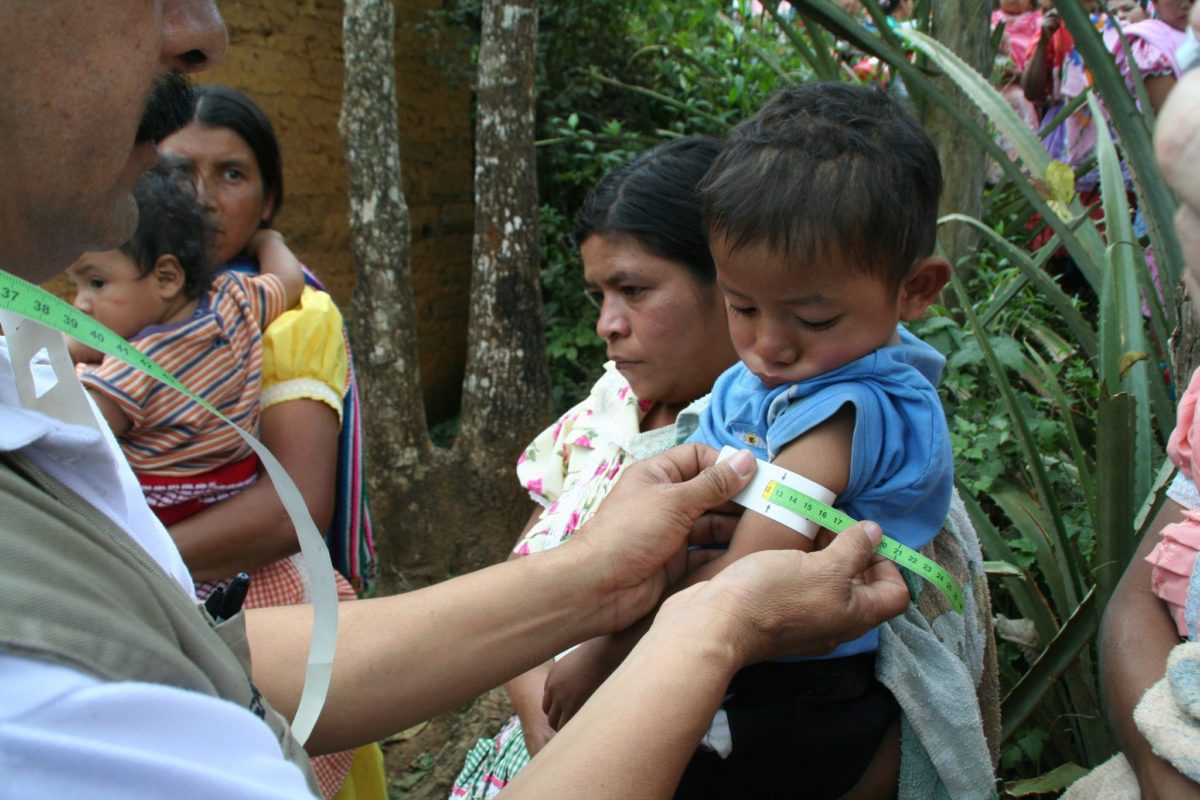
  • Since the 1970s, nutritionists have categorized undernutrition[1] in two major ways, either as wasting or stunting.
    • Stunting as an indicator of being too short for one’s age
    • Wasting as an indicator of being too thin for one’s height
  • Wasting and stunting are proxies, or signs, for the more complicated less obvious physiological effects of malnutrition.
  • Though categorizing children as wasted or stunted can be useful in identifying at risk populations, it is problematic to use these categories on individual children because they draw an artificial distinction between these two types of undernutrition
  • Because of this distinction, stunting and wasting are often addressed by separate programs/approaches.
  • Recently, research has shown that individual children are at risk of having both stunting and wasting simultaneously or of moving back and forth between the two conditions over time.
  • Wasting is often described as the result of acute episodes of malnutrition, while stunting is portrayed as the consequence of chronic malnutrition. However, stunting and wasting can co-exist over time, so this nomenclature is incorrect.
  • Children who are both stunted and wasted are at a much greater risk of premature death than children who only have one condition.
  • The emphasis on classifying children as either stunted or wasted and then treating them with interventions designed to address one or the other of those conditions doesn’t account for the complexity of the causes and interconnectedness of the outcomes of wasting and stunting.
  • We need to change the way we understand and manage child undernutrition to acknowledge that individuals can experience both conditions at the same time.

Specifically:

  • We need more research on the relationship between weight and height faltering and how the interaction between the two increases a child’s susceptibility to death and long-term disability, including looking at the role a mother’s nutrition plays in her child’s weight and height.
  • We need better ways to predict, identify, and monitor children at risk of weight and height faltering, not just those children who currently are wasted or stunted.
  • We need to evaluate preventative and therapeutic interventions to ensure that they address the diverse causes and individual biological processes that result in undernutrition.

Key Quote

“We argue that these views [about the distinction between stunting and wasting] have become entrenched, leading to the separation of these outcomes in terms of policy, guidance, programme interventions, and financing: at the individual level, acute and chronic undernutrition are now viewed as separate conditions, and are routinely reported as distinct outcomes among policy makers. What is poorly recognised is that the anthropometric indices used to categorise individual children as wasted and stunted are only superficial proxies for the physiological and functional consequences of the underlying processes of undernutrition.”

Useful Facts

  • Globally, 15.9 million children worldwide are experiencing being both wasted and stunted.
  • Children who are both wasted and stunted have the same risk of dying as children with the most severe form of wasting.
  • Initial research shows that being wasted increases a child’s risk of stunting.
  • There is little evidence to support the concern that intensive use of therapeutic foods to treat wasting in stunted children will pre-dispose these children to obesity later in life.

[1] Defined by the WHO as the outcome of insufficient food intake and repeated infectious disease
Twitter Chat – Protecting, Promoting & Supporting Breastfeeding In the Time of COVID-19

Please join us for a Twitter chat on Protecting, Promoting & Supporting Breastfeeding In the Time of COVID-19. Details below.

Overview:
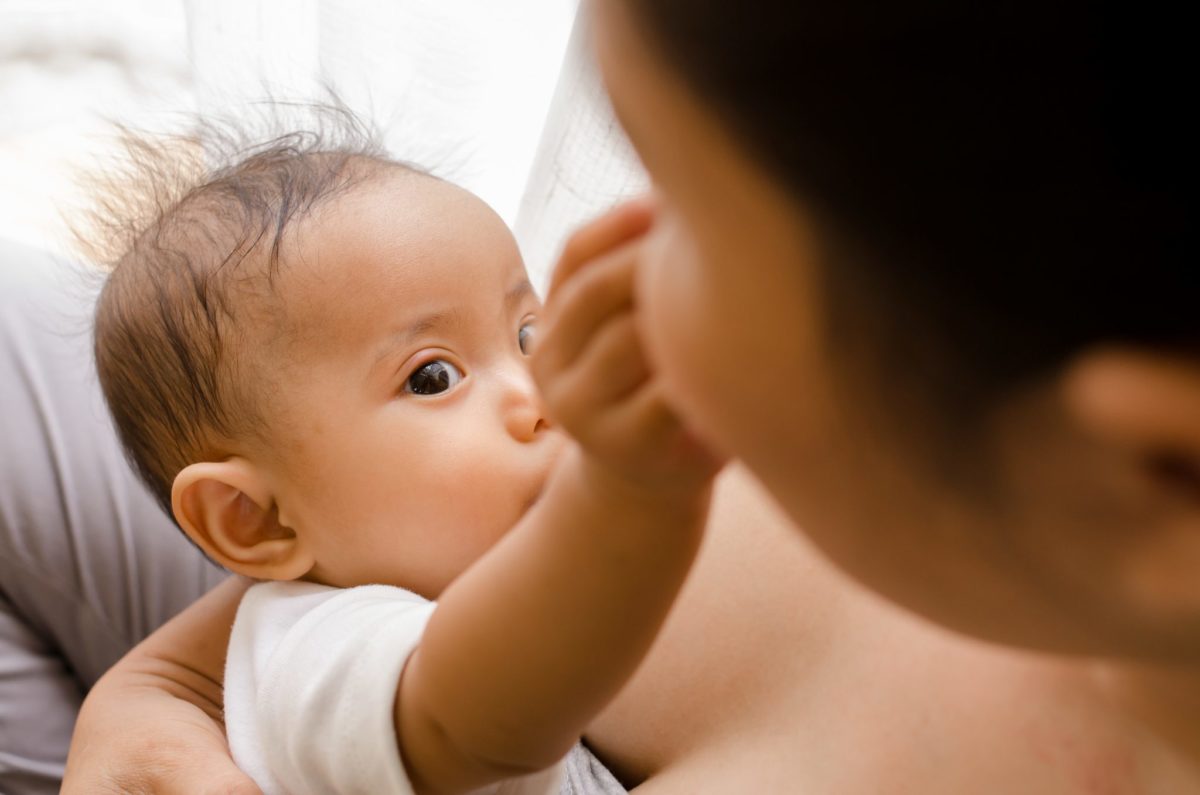
Breastfeeding, especially during the first 6 months of life, provides numerous benefits to infants, mothers, and society. Breastmilk give babies the healthiest start to life, packed with antibodies, stem cells, and other unique properties, breastmilk acts as babies’ first vaccine. It builds their immunity, protecting them from infections, diseases like diarrhea and pneumonia, and lowers a child’s risk of developing obesity later in life. We also know breastfeeding has powerful health effects for mothers – it can reduce a woman’s risk of heart disease, breast cancer, ovarian cancer, type 2 diabetes, and depression.

As part of our continued effort to engage with the community on the infant, young child, and maternal needs during the COVID-19 pandemic, we are hosting a Twitter chat from the @1000Days account on the universal benefits of breastfeeding and why protecting, promoting, and supporting breastfeeding, especially in the response and recovery to the COVID-19 pandemic, is critical for babies, moms, and communities around the world.

Host: @1000Days
When: Thursday, May 14 @ 9-10am EST
Primary Hashtag: #breastfeedingchat
Secondary Hashtags: #breastfeeding #COVID19
Important Reminders:

  • All tweets must include the #breastfeedingchat hashtag to be part of the Twitter chat stream.
  • Retweet questions that you are responding to, so your followers can follow the conversation even if they’re not following the chat.
  • Responses should include the question number you are referencing (A1, A2, etc.)

Promo for participating partners:

  • We’re excited to be participating in @1000day’s #breastfeedingchat on the benefits of and why we must protect, promote, and support #breastfeeding during the response & recovery to #COVID19. Join us!

Questions:

  • Q1: Let’s start with why breastfeeding is important – in what ways does breastfeeding support mothers? #breastfeedingchat
  • Q2: #Breastfeeding has the potential to save the lives of over 820,000 young children & 20,000 women each year if babies are breastfed early & exclusively for the first 6 months. How does exclusive breastfeeding encourage a baby’s development & survival? #breastfeedingchat
  • Q3: The benefits of #breastfeeding prove it’s critical to support mother’s in their breastfeeding journey and everyone can help. What can family members, friends, health care workers, and employers do to protect, promote, and support breastfeeding? #breastfeedingchat
  • Q4: #COVID19 is impacting access to #healthcare and on-going physical-distancing guidelines are suspending critical #breastfeeding counseling. What are short and long-term impacts to breastfeeding and child health when counseling and care is interrupted? #breastfeedingchat
  • Q5: Encouraging #breastfeeding also means creating environments that enable moms to breastfeed. How can we ensure women who choose to breastfeed are supported during #COVID19? What role do nurses, midwives & community healthcare workers play in this? #breastfeedingchat
  • Q6: Despite @WHO recs clarifying that mothers w/ suspected cases of #COVID19 who choose to breastfeed can if they take certain precautions, some hospitals are separating healthy moms & babies. What is at risk by separating mom & baby so early after birth? #breastfeedingchat
  • Q7: Evidence shows BMS companies and the wider food/bev industry are leveraging #COVID19 to influence families to purchase their products that undermine infant/child health. What role do donors & govts play in ensuring companies are adhering to the #BMSCode? #breastfeedingchat
  • Q8: For mothers who choose not to breastfeeding, the @WHO recommends donor human milk or wet nursing in contexts where allowed. If mothers don’t have access to these options, how can we ensure they can receive quality breastmilk substitutes? #breastfeedingchat


2020 Severe Malnutrition Non-Technical Learning Series

In light of new terminology and research on the most effective ways to prevent malnutrition-related child mortality, 1,000 Days launched a new learning series focused on severe malnutrition. The learning series features monthly presentations by subject-matter experts on topics designed to help a non-technical audience ​unpack the latest evidence and craft more effective, informed severe malnutrition policies and advocacy campaigns. Through ongoing consultation with experts and audience members, 1,000 Days addresses the emerging issues, questions and information that are most relevant to people working in this field.

Spring Learning Series Topics

April 30, 2020 – Severe Malnutrition 101: Understanding the fundamentals
10am EST
Access a recording of the video here.

In this kick-off session, Saul Guerrero Oteyza, Child Wasting Nutrition Specialist at UNICEF, gave an overview of the current global mechanisms for preventing and treating severe malnutrition. The session offered an accessible background to foundational issues including: the history of wasting treatment; an overview of current treatment protocol; an explanation of the link between wasting and stunting; an elaboration on the uses and availability of ready to use therapeutic foods (RUTF); and an update on current efforts to streamline wasting treatment through the Global Action Plan (GAP) on Wasting.

May 29, 2020 – Management of Wasting: Programming Insights and Areas for Action
11am EST
Access a recording of the video here.

In this session, Marie McGrath, Technical Director at the Emergency Nutrition Network (ENN) and Co-Editor of ENN’s long running technical publication, Field Exchange, offer an accessible synthesis of key takeaways from a special 60th issue that examined management of wasting in children. Framed within the recently launched UN Global Action Plan (GAP) on wasting, this session shared insights from this rich collation of programming experiences and research to inform your advocacy efforts to build and scale capacity to care for wasted children worldwide.

*Note correction to dates on Slide 15:
Should read 2019 (not 2020) as follows:
Action
ECF & ENN Donor Roundtable, London, July 2019

Donor letter to the UN Secretary General from the core philanthropic donors, October 2019
Letter to UN Secretary General, 20th Dec 2019 – urgent action & reform

June 19, 2020 – Rounding Out the Power Four: MMS, Breastfeeding, and Vitamin A Supplementation
10am EST
Register HERE.

The ‘Power 4’ are a targeted set of high-impact nutrition interventions we can scale today to immediately reduce the number of children dying from severe malnutrition. Along with wasting treatment, which was the primary focus of the first two learning series sessions, MMS, Breastfeeding, and Vitamin A Supplementation are foundational interventions in the fight to improve nutrition for children around the world. Join leading experts representing each of these key interventions for a non-technical overview of the interventions’ significance, delivery, and current challenges, and for a chance to ask questions to people working directly with the Power 4.

Presenters:

  • Dr. Rolf Klemm, Vice President, Nutrition at Helen Keller International and Associate Scientist at Johns Hopkins Bloomberg School of Public Health
  • Dr. Saskia Osendarp, Executive Director Micronutrient Forum
  • Dr Rukhsana Haider, Founder and Chair, Training & Assistance for Health & Nutrition Foundation (TAHN), Bangladesh, Co-Chair, Steering Committee, World Alliance for Breastfeeding Action (WABA), Penang, Malaysia

July 2020 – Crafting a compelling narrative around severe malnutrition
More information on date, time and registration link to come.

As the nutrition advocacy community begins to talk and write about severe malnutrition and its heightened focus on child mortality, there will be many opportunities to develop new communications narratives. Led by Blythe Thomas, Chief Strategy Officer at 1,000 Days, this session will focus on aligning messaging and crafting compelling communications materials that will speak clearly to non-nutrition audiences.


For more information, please email 1,000 Days Global Policy and Advocacy Manager, Emma Feutl Kent, at [email protected].

It’s Census Day in the United States

All children need certain things to thrive. Nutritious foods, access to health care, and the care of parents and other caregivers are just a few of the basics that can help children reach their full potential.

In the United States, numerous federal programs and services help families ensure their children’s needs are met – including children whose families have low incomes or who live in poverty. But, without an accurate count of our nation’s children, these programs may not get the resources they need to serve all the children and families who rely on them. That’s where the Census comes in.

Every 10 years, our nation counts every person living in the United States and five U.S. territories. An accurate count is critical because, among other things, it helps policymakers decide how best to allocate hundreds of billions of dollars to federal programs and to determine legislative districts.

Today, April 1, is Census Day. By now, you may have received official Census Bureau mail with information on how to respond to the 2020 Census online, by phone, or by mail. Already, millions of households across the nation have responded, with an overall response rate so far of 34.7%. If you haven’t completed the 2020 Census already, we urge you to visit my2020census.gov to make sure your family is counted today!

Counting all young children is especially critical in the 2020 Census. Research shows that young children are undercounted at a higher rate than any other group. The 2010 Census missed about 5% of all children under age 5 – or about 1 million children.

Sometimes young children are undercounted because of their living arrangements (such as splitting time between two homes or living with a family member like an aunt or grandmother). Sometimes parents may not realize that babies and toddlers are supposed to be counted – but this year, all children born on or before April 1 should be counted. And sometimes the entire family is missed because of a language barrier or other challenge. But whatever the reason, one thing is clear: when young children are not counted, it can have serious consequences for them, their families and our communities.

For example, an undercount of young children can affect the distribution of funding to programs and services that make a difference in the lives of millions of young children and their families every day. Programs like the Supplemental Nutrition Assistance Program (SNAP), the Special Supplemental Nutrition Program for Women, Infants and Children (WIC), Medicaid, the Children’s Health Insurance Program, Head Start, and the Child Care and Development Fund all receive funding based on census data.

As an official partner of the 2020 Census, 1,000 Days believes it is critical that everyone is counted – including parents and their infants and toddlers. That’s why we’re thrilled to see the Census Bureau, advocates, and communities across the country working together to help make sure that everyone is represented equally in the 2020 Census.

Statement on the Importance of Paid Family and Medical Leave During COVID-19 and Beyond

1,000 Days calls on Congress to guarantee all workers access to comprehensive paid family and medical leave and to protect the health of moms, babies and their families as our communities, states and nation respond to COVID-19.

1,000 Days is the leading organization advocating for the health and well-being of moms, infants, and young children during the 1,000-day window. Access to paid leave is critical to ensuring families have the resources and support they need during this critical time.

While the quick passage of the Families First Coronavirus Response Act was an important and encouraging step, more action is needed to make paid sick days and comprehensive paid family and medical leave available to all workers and all families.

We urge Congress to ensure that all workers can have the time they need to keep themselves, their families, and their communities healthy, without jeopardizing their paycheck or their financial security. The health and well-being of moms, babies and their families is too important.

#March4Nutrition for Moms and Babies

In honor of National Nutrition Month, 1,000 Days is kicking off its annual #March4Nutrition campaign to amplify the importance of nutrition for moms and babies during the first 1,000 days.

All month long, we invite you to follow #March4Nutrition on Facebook, Instagram and Twitter to learn the role of nutrition in the 1,000-day window

This #March4Nutrition, we are highlighting why the 1,000-days from a woman’s pregnancy to her child’s 2nd birthday offer such a critical window of opportunity to build healthy, thriving futures. The nutrition a mother and her child receive during this time set the stage for their health and well-being, both now and in the future.

Specifically, nutrition in the first 1,000 days is important for:

  • Building Brains
    During the 1,000-day window, a child’s brain grows more quickly than at any other time in life. Nutrition provides the building blocks for her cognitive abilities, motor skills and socio-emotional development.
  • Building Health
    Nutrition in the first 1,000 days provides the foundation for lifelong health. It impacts how our bodies and immune systems develop and influences our predisposition to diseases later in life.
  • Building a Fair Start
    Every child deserves to be healthy and thrive, but millions of young children don’t get this opportunity. Inequalities in child development often begin before a child is even born. Nutrition during the 1,000-day window can help build more equal beginnings and put all children on track to flourish.
  • Building Prosperity
    A healthier and brighter future for us all begins with investing in women and children in the 1,000-day window. Nutrition during this period provides the foundation for children to develop to their full potential, setting them up for later success and a healthy life.

Unfortunately, many moms and babies in the United States are not getting the nutrition they need for a healthy and thriving 1,000 days and beyond.

  • During pregnancy, a mother’s diet and her nutrient stores are the only source of nutrition for her baby. This makes it critical that women get the nutritious food they need before and during pregnancy. However, women of childbearing age are consuming unhealthy diets with too few nutrient-rich foods and too much saturated fat, added sugar and sodium.
  • Breastfeeding has powerful benefits for the health and well-being of both moms and babies, but widespread barriers to breastfeeding mean that 60% of mothers do not breastfeed for as long as they intend to. Only 25% of infants are exclusively breastfed for 6 months as recommended by experts.
  • A healthy diet is essential to ensuring infants and toddlers grow well and are not at an increased risk of chronic disease later in life. Early nutrition also develops a child’s food preferences, with implications for lifelong eating habits. Unfortunately, many infants and toddlers are not consuming healthy diets: for example, virtually all toddlers (98.3%) and as many as 61% of infants consume added sugars on a given day.
  • When a family struggles to put enough food on the table, it can have long-lasting negative impacts on developing children. In the U.S., 1 in 7 households with children under the age of 6 is food insecure – and racial/ethnic disparities mean that some children are more likely than others to lack the nutrition they need to thrive.

At 1,000 Days, we believe that all women and children in the United States deserve to have the healthiest possible 1,000-day window – and that starts with access to good nutrition and breastfeeding support.

Join us this month as we #March4Nutrition for moms and babies!

What We’re Watching – Priorities for 2020

Tonight, the President will deliver his third State of the Union. Each address provides the President with an opportunity to lay out his priorities for the upcoming year and reflect on past accomplishments. We will be listening for the President to cover the importance of nutrition and health care to moms and young children. We also hope he once again recognizes that many working families still need access to affordable childcare and paid family and medical leave. In December, Congress and the Trump Administration agreed on a measure to provide paid parental leave for federal workers starting in October 2020. We hope the President continues to build on this success in his speech, working toward comprehensive paid leave for all workers. 1,000 Days will continue to engage policymakers and our partners around the unique impact that access to paid leave can have on the health of mothers and the health and development of young children.

In addition, we will be listening for the President to preview his proposed budget for FY2021. Set to be released next Monday, the President’s budget provides more information on his Administration’s policy and budget priorities for the coming year. Last year, Congress increased the U.S.’s investment in global nutrition to $150 million, helping to ensure more moms and young children around the world can have a healthy 1,000-day window. Congress also provided additional funding for the WIC Breastfeeding Peer Counselor program, expanding the reach of this important initiative. In spite of these crucial improvements, the Trump Administration has proposed new regulations that will make it harder for families to access the nutrition assistance they need. We urge President Trump to use this opportunity to encourage his Administration to reevaluate their plans for implementation. 1,000 Days will continue to work with partners and Congressional champions to ensure that families have access to critical nutrition programs needed for them to thrive.

2020 promises to be a busy year. Congress and the White House must work together to address several key priorities. 1,000 Days is committed to ensuring a healthy 1,000-day window for all moms and young children. Over the coming year, we will continue to educate and engage policymakers and their staff about the supports, funding and programs that families need during this critical time period. Specifically, we will be focused on highlighting the importance of a nutritious diet during pregnancy, infancy and early childhood. In the United States and around the world, moms and babies deserve access to nutritious food and the support from their communities necessary for a healthy 1,000 days.

Statement in Response to Development in Texas v. United States

1,000 Days is deeply concerned by Wednesday’s decision by the U.S. Court of Appeals for the Fifth Circuit. Access to quality, comprehensive health care helps ensure moms and babies can get the services they need to be healthy and thrive. However, this opinion could jeopardize that access for millions of families.

Over the years, we have heard from families around the country about the positive difference the Affordable Care Act (ACA) has made in their lives. We know that families cannot afford to go back. Back to the days where critical protections for people with pre-existing conditions did not exist. Back to when a woman could be charged more for her coverage. Back to when one trip to the ER, one devastating diagnosis or one unexpected medical bill could put a families’ economic security at risk.

Our nation is facing a maternal health crisis and the number of uninsured children has increased for the second year in a row. Dismantling the ACA will not help address these emergencies, but instead will only exacerbate them. While we wait for this case to make it through the judicial system, 1,000 Days will continue working to ensure access to quality health coverage is not a luxury but available to all families in the 1,000-day window and beyond.

You can help us fight to give all moms and babies the healthy 1,000 days they deserve. Please consider making a donation to our cause here: https://thousanddays.net/donate.

Important Programs for Moms and Babies Included in Congressional Budget Deal

Over the weekend, Congress announced they had reached a deal to continue funding for critical federal programs through September 30, 2020, averting another government shutdown. 1,000 Days is pleased that many of our priorities to better support the nutrition and well-being of moms and babies are included in the agreement.

Here are a few of the wins included:

  • Funding for Global nutrition programs was increased to $150 million, helping to ensure more moms and their young children can have a healthy 1,000-days;
  • The Special Supplemental Nutrition Program for Women, Infants, and Children (WIC) will receive $6 billion in funding and, crucially, the Breastfeeding Peer Counselor Program will receive full funding of $90 million for the first time. WIC helps moms and young children access the nutritious food necessary for a healthy 1,000-day window, as well as critical supports like nutrition education and breastfeeding counseling;
  • CDC’s Hospitals Supporting Breastfeeding program saw a small increase after years of flat funding. The agreement includes $9 million to provide hospitals and states with tools and assistance to support breastfeeding, including the implementation of baby-friendly best practices;
  • And additional funding to improve maternal and child health for families in the US and around the world was included.

1,000 Days will continue to lift up the voices, experiences and needs of moms and their young children in the United States and around the world. We appreciate the continued support from lawmakers on both sides of the political aisle to ensuring all moms and babies can have a healthy 1,000-day window and beyond.

What We’re Watching in Congress – December 2019

As 2019 draws to a close, Congress has indicated that they intend to act on several priorities many of which are important to 1,000 Days. Here are a few things we’ll be watching:

Continuing federal funding for Fiscal Year 2020

Funding for the federal government is set to expire at midnight on December 20th, giving lawmakers less than a week to pass a measure to keep the government open through the holidays. Negotiators from the House and Senate have announced a tentative a deal, which 1,000 Days is monitoring closely. We remain in touch with key legislators in this process, encouraging them to enact funding to ensure all moms and babies can depend on the support and services they need for a healthy 1,000 days.

Paid parental leave for federal employees

Congressional Leaders and the White House have agreed to include a provision providing 12 weeks of paid parental leave for federal employees in the must-pass National Defense Authorization Act for Fiscal Year 2020 (S.1790). If passed, this will provide 2.1 million workers with paid time off from work after the birth or adoption of a new child. 1,000 Days is encouraged by this important step, but we recognize that the work continues to ensure comprehensive paid leave is available to all workers. Read our statement here.

Committee action on paid leave

Last Tuesday, the House Committee on Oversight and Reform held a hearing on the need for a national, comprehensive paid leave policy. Led by Chairwoman Carolyn Maloney, lawmakers emphasized the important promise of paid leave for American families. 1,000 Days, along with more than a dozen maternal and child health partner organizations, submitted a letter to the Committee commending them for holding this important hearing and underlining the importance of paid leave to families in the 1,000-day window.

Supporting Healthy Outcomes for Mothers and Infants Act

In November, Rep. David Trone (D-MD), along with Representatives Glenn Thompson (R-PA), Ann Kuster (D-NH) and Brett Guthrie (R-KY), introduced the Supporting Healthy Outcomes for Mothers and Infants Act (H.R. 5249). This legislation directs USDA and HHS to produce nutrition education materials for WIC families coping with substance use disorder and neonatal abstinence syndrome, and updates outdated and stigmatizing language in the Child Nutrition Act to reflect current understandings of substance use disorder. 1,000 Days will continue to work with lawmakers and partners to ensure that WIC meets the needs of all moms and babies in the 1,000-day window.