Author: Allyson Garner

August is all about breastfeeding
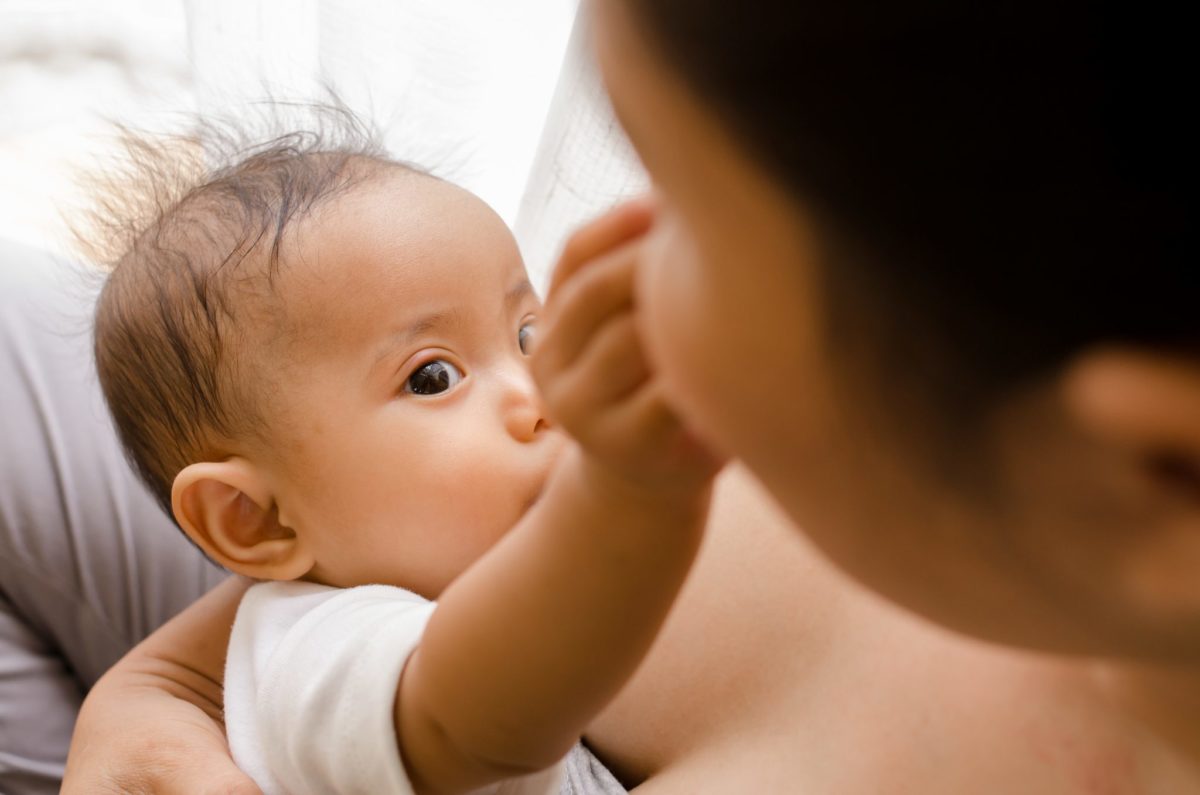
August 1st marks the beginning of National Breastfeeding Month and World Breastfeeding Week, celebrating the importance of breastfeeding in the U.S. and around the world. All month 1,000 Days will be highlighting the amazing benefits of breastfeeding for both mom and baby.

Breastfeeding gives baby the very best start to life — and the benefits reach far into the future. Numerous studies have shown that breastfeeding promotes healthy cognitive and social-emotional development. It also saves lives by helping to protect babies from infections, conditions such as sudden infant death syndrome (SIDS) and diseases like diarrhea and pneumonia. Breastfeeding even lowers a child’s risk of obesity and type 2 diabetes later in life.

Breastfeeding also has powerful health benefits for moms. It helps women’s bodies recover from childbirth and decreases the risk of postpartum bleeding. It also reduces a woman’s risk of heart disease, breast cancer, ovarian cancer, type 2 diabetes and depression.

Successful breastfeeding relies on women having enough time, energy and capacity – but women in every corner of the world face too many barriers to start and continue breastfeeding. In the U.S., about 1 in 6 babies is never breastfed, and more than half of mothers do not breastfeed for as long as they intend to. There are also notable disparities in breastfeeding rates. Globally, less than half of babies under 6 months old are exclusively breastfed – meaning they are missing out on the healthiest start to life.

No one breastfeeds alone. It takes support from everyone – from parents to policymakers, health facilities, communities and employers.

1,000 Days advocates for policies and programs that help women meet their breastfeeding goals, like access to comprehensive, equitable paid family and medical leave for all workers in the United States. Paid leave gives mothers the time they need to establish and continue breastfeeding without the added worry of sacrificing their family’s economic security. And studies show that children whose mothers take longer leaves from work are more likely to be breastfed and to be breastfed for longer.

Breastfeeding is a universal solution that gives everyone a fair start in life and lays the foundation for moms and babies to survive and thrive. We all have a role to play in supporting breastfeeding, and we hope you’ll join us this National Breastfeeding Month as a breastfeeding champion.

To support partners in their social media advocacy this month, 1,000 Days has developed this Inspiration Guide to pump up the volume on breastfeeding. This Guide is a living document of unbranded content and messaging for advocates and all stakeholders to utilize throughout the month of August. We have included messaging and graphics on how breastfeeding supports a healthier planet and content to support the weekly themes of National Breastfeeding Month. Check it out here.
The Next Coronavirus Relief Package: What We’re Advocating For

In May, the House of Representatives passed the Health and Economic Recovery Omnibus Emergency Solutions (HEROES) Act, a $3 trillion coronavirus relief bill that would bolster supplemental funding and expand a wide range of programs and policies impacted by the COVID-19 pandemic. Later this session, the Senate is expected to consider their own supplemental funding bill. We urge Congress to move swiftly and with bipartisan, bicameral support in enacting legislation that ensures women and children in their first 1,000 days have the resources and support they need to have a healthy, thriving future.

1,000 Days is the leading nonpartisan, nonprofit organization working to ensure women and children in the United States and around the world have the healthiest first 1,000 days. We know that the 1,000 days from a woman’s pregnancy to her child’s second birthday offers a window of tremendous opportunity to build a foundation for lifelong health and well-being.  We advocate on behalf of moms and babies for the (1) strengthening and improvement of nutrition programs that support families in the U.S. and around the world; (2) enactment of a federal paid family and medical leave policy; (3) increased access to quality, comprehensive health care; and (4) adequate support for all moms to meet their breastfeeding goals.

Coronavirus has exposed the health inequities and food insecurity faced by many families in the United States and around the world – and women and children have been among the most gravely affected.  Now more than ever, our Congressional leaders must center health and nutrition as an essential, topline priority. Additionally, 1,000 Days recognizes paid family and medical leave as a public health imperative, which the COVID-19 pandemic has highlighted.  Lack of paid leave threatens public health and community wellness, yet the vast majority of Americans do not have access. It is also imperative during this public health crisis that all families have access to affordable, high-quality health care, regardless of their employment or economic status. Finally, we must maintain our role as a global leader in supporting the nutrition and health services of developing countries, which undergirds and directly correlates with their capacity to respond to the pandemic.

To this end, here’s what we’re hoping to see in the next coronavirus relief package. Congress should:

  • Increase funding and flexibility for vital federal nutrition programs like SNAP and WIC, which helps ensure that low income moms, babies and families have access to nutritious food.
  • Expand upon the paid leave provisions established in the Families First Coronavirus Response Act, ensuring that all workers have access to paid, job-protected leave to tend to their own health needs or care for a child or sick loved one.
  • Provide additional funding to states to help provide health insurance to low- and moderate-income families through the Medicaid program and ensure adequate funding for testing and treatment of COVID-19 for the uninsured.
  • Fully fund USAID anti-hunger programs, including the Global Health Programs Nutrition Subaccount, to ensure that COVID-19 does not erase decades of progress in fighting malnutrition and related health conditions.

Here at 1,000 Days, we work to advance a strong foundation for mothers, children and their communities by upholding the well-being of women and children in the first 1,000 days as a policy and funding imperative. We urge Congress to prioritize the needs of moms, babies and their families as they work to stem the public health and economic consequences of this pandemic, in the United States and around the world. We must ensure that families in the critical 1,000-day window have the resources they need to stay fed, secure and healthy, now and into the future.

Health Experts Share Much-Anticipated Recommendations for New Dietary Guidelines

The Dietary Guidelines Advisory Committee (DGAC) released their Scientific Report in advance of the upcoming 2020-2025 Dietary Guidelines for Americans. This report represents a systematic review of all data and research analyzed by the DGAC since commencing their work in early 2019 and provides an important preview of the upcoming guidelines.

For the first time, the 2020 Dietary Guidelines for Americans will include specific recommendations for the diets of infants and children from birth to 24 months of age. This inclusion, along with the guidance for pregnant and lactating women, is critical as the 1,000-day window between a woman’s pregnancy and her child’s second birthday sets the foundation for a child’s long-term health and wellbeing. Access to high quality nutrition during this period is fundamental. 

Today’s Scientific Report includes several important findings on the diets of moms and babies in the 1,000-day window:

  • A woman’s health during her pregnancy is heavily influenced by her pre-pregnancy diet, underlining the importance of developing lifelong healthy eating patterns.
  • A healthy diet during pregnancy reduces the risk for certain pregnancy-related health conditions, like gestational diabetes and hypertensive disorders, and it reduces the risk of preterm birth.
  • Babies who were ever breastfed were found to have reduced risk of overweight and obesity, type 1 diabetes, and asthma
  • No amount of added sugar should be included for a baby’s development
  • Infant and child diets during the 1,000-day window affect their palate and taste for certain food into adulthood.  Children younger than 24-months should avoid consumption of sugar-sweetened beverages, both to reduce risk of childhood overweight and to prevent likelihood of greater sugar-sweetened beverage intake later in life.
  • Food insecurity is a persistent and pernicious threat to healthy development, with more than 6 million American children living in households with inconsistent or insufficient access to healthy, affordable food. Black, Latino, and low-income families, as well as families with young children and single-parent households were more likely to be food insecure

The Committee also noted that, due to a dearth of research on the diets of infants and children before the age of 2, they were unable to establish specific dietary recommendations, but did provide several examples of healthy food patterns for babies and toddlers. 

We look forward to the final Dietary Guidelines, expected to be released by HHS and USDA later this year, and continue to encourage the Committee to ensure these guidelines are based on the best, independent data and research. The health of moms, babies, their families, communities and our nation depend on it.

Systemic Racism is a Public Health Crisis

Why advocacy and aid organizations working to improve nutrition, health, and poverty outcomes for children and families everywhere must join the fight against White supremacy and dismantling systemic racism.

As communities continue to demand justice for the killings of George Floyd, Breonna Taylor, Ahmaud Arbery, Dominique Rem’mie Fells, and countless other Black women and men, our national and global health, economic, and social fabrics are managing the containment and impacts of the COVID-19 pandemic. Black people are facing two crises at once – a health system that has failed to support us and a criminal justice system that continues to marginalize, harm, and kill us. 

We’re witnessing how the lack of a robust, anti-racist approach to policymaking and funding has led to major disparities in health, economic, and social outcomes. This is especially personal because of my profession. At my organization, we’re focused on helping mothers and children have the healthiest 1,000 days, the time between a woman’s pregnancy and her baby’s second birthday, which has tremendous impacts on her family’s and community’s future health and wellness. I have seen first-hand how lack of access to nutritious foods and health services impact nutritional and broader public health outcomes too. 

We see the effects of systemic racism in public health every day. The U.S. is the only industrialized country in the world that doesn’t offer its taxpayers universal health coverage (UHC) – and Black, Latinx, and Indigenous communities face the consequences of this the hardest. Unequal access to adequate health insurance, mental health services, and rising pharmaceutical costs sustain the impacts of racism. This is visible in the lack of robust UHC in countries with high-burdens of disease and malnutrition as well. Strong health and social systems that serve everyone enable individuals to thrive and prosper. But systemic racism has led to disparities in access to these services, which impacts not only the lives of those who need them but also the prosperity of the community as a whole. 

This is why I urge my fellow nutrition advocacy, international development, and global health colleagues to assess how we are approaching our work and whether we’re equipped to do so in an actively anti-racist way. 

Our organizations are complicit in White supremacy as well. Organizations with missions to improve health, economic, and social outcomes for Black and brown communities must be led and managed by the people they are trying to serve! Yet, I continue to see anti-poverty and aid/international development organizations that lack racially-diverse leadership and boards. 

I am a Black Ethiopian-American woman in my 20s and have been working in the advocacy and international development space based in Washington D.C. since college. I am too familiar with what it feels like to be the only Black person, let alone Black woman, in the room. Sometimes my voice and experiences are valued, but often I feel they are either tokenized or my presence in the room is meant to fit a diversity quota. 

This is further perpetuated by the lack of transparency in salaries within organizations, as well as program structures and funding relationships that continue to uphold racist and colonial thinking. How are we supposed to achieve progress on domestic and global goals if we can’t dismantle and rebuild how WE internally conduct our work?

What’s next from here? I propose we H.A.L.T – Hire, Adapt, Listen and Try. Organizations must hire diverse leadership; adapt the current systems and structures; listen to the community they serve; and try harder – it’s nowhere near enough! 

The first step towards being an anti-racist organization is listening, hiring, and fully supporting Black and brown people, especially women, from marginalized communities. This will require honest conversations that go beyond statements – we need action! Donors also need to audit how they program and distribute funding. Community-based solutions live within communities, and we must empower these communities with the resources and funding so grassroots organizations can combat the problems they are facing. 

Unfair systems lead to unequal access, and greater inequities in nutritional and health outcomes. This is evident in the 2020 Global Nutrition Report that brilliantly lays out a frame for how inequities in nutritional outcomes across communities and countries are perpetuated by unfair processes for basic human rights within socioeconomic and political contexts. 

If we truly want to “leave no-one behind” and achieve progress for all, we must understand how White supremacy operates and upholds an unjust environment for public service and global health development. Anti-racism work must be at the forefront of our domestic and global advocacy agendas

2020 Global Nutrition Report: 5 Key Takeaways

Following includes some text verbatim from the Global Nutrition Report, which can be accessed in its entirety here.

The 2020 Global Nutrition Report goes beyond global and national patterns to reveal “significant inequalities in nutrition outcomes within countries and populations.” The 2020 Global Nutrition Report calls for a transformative “pro-equity agenda” that puts people and their basic needs first by fully integrating nutrition into food and health systems. This requires coordinated efforts across stakeholders and scaled-up, sustainable financing to support focused action where it is needed most. This approach would ensure equitable access, because “Everyone deserves access to healthy, affordable food and quality nutrition care.”

The Executive Summary is excellent, but if you have only 3 minutes to catch the highlights, read on. We encourage you to dig deep into the report for the data, analysis and expert opinions rooted in evidence to understand why action on equity is needed to accelerate progress towards ending malnutrition in all its forms

The trend is clear: progress is too slow to meet the global targets. Not one country is on course to meet all 10 of the 2025 global nutrition targets and just eight of 194 countries are on track to meet four targets.

Among children under 5 years of age, 149 million are stunted, 49.5 million are wasted and 40.1 million are overweight. There are 677.6 million adults that have obesity.

Poor diets and resulting malnutrition are among the greatest current societal challenges, causing vast health, economic and environmental burdens.

The better news: there are bright spots. For example, rates of stunting are gradually decreasing over time. And there has been progress on exclusive breastfeeding. More than 42% of infants under 6 months are being exclusively breastfeed (EBF). The report identifies that 41 countries are ‘on course’ for childhood overweight, 40 for wasting and 31 for stunting; 33 countries are ‘on course’ for exclusive breastfeeding, and only 12 for low birth weight.

Pro-equity nutrition action could truly ‘leave no one behind’. Decision-makers and policymakers need to consider how inequities in social protection services, such as housing, education, and clean water and food access, are driving inequities in nutritional outcomes across gender, economic, and geographical contexts. ‘Pro-equity’ nutrition actions include recognizing that variations exist across countries and within countries, across socioeconomic groups and within households; focusing funding and attention on health consequences for the most marginalized; and examining the gender and environmental links across all aspects of nutrition program and policy design. All this will require strengthened governance, support and legitimacy for civil society, and an accountable private sector.

COVID-19 does not treat us equally. Reports like this take months to develop, and the authors did an excellent job preparing a foreword highlighting the global pandemic’s impact. The report states: “People who already suffer as a consequence of inequities – including the poor, women and children, those living in fragile or conflict-affected states, minorities, refugees and the unsheltered – are particularly affected by both the virus and the impact of containment measures. COVID-19 also exposes the vulnerability and weaknesses of our already fragile food systems, as well as wreaking havoc on health systems.” The report calls for strengthened coordination, alignment, financing and accountability.

The Nutrition for Growth Summit is an opportunity we must not miss! “Increased global recognition that governments, businesses and civil society are accountable for healthier and more equitable food and health systems provides an opportunity for us to invest in nutrition to preserve our future.” Over the next two years, there are key opportunities to prioritize nutrition in policy agendas and to rethink our food and health systems. These include the Tokyo Nutrition for Growth Summit (N4G), the 2020 UN Climate Change Conference (to be held in 2021) and the 2021 Food Systems Summit.

The Global Nutrition Report is especially an important body of work for us at 1,000 Days. We know that investing in the well-being of mothers, babies and toddlers pays off big, now and into the future. The first 1,000 days are a time of tremendous potential and enormous vulnerability. How well or how poorly mothers and children are nourished and cared for during this time has a profound impact on a child’s ability to grow, learn and thrive. We stand united calling for greater investments in the nutrition and well-being of mothers, babies, and toddlers as a way to create brighter and more prosperous futures for us all.

New Policy Brief from UN Secretary-General on Food Security, Nutrition and COVID-19

In addition to the needs of mothers, children, families and communities during the COVID-19 pandemic, a food security crisis lingers, threatening the nutrition of millions of people, many of whom were already suffering.

Through efforts to curb the spread, lockdowns are having an economic effect that has led to tightening of credit access to farmers, limited access to transport services and borders to import and export food, and disruptions to regular health services. These constraints have a ripple effect on food production and transportation, leading to a hike in food prices and limiting the populations’ access to nutritious food.

A recent policy brief from the United Nations Secretary General Antonio Guterres examines global food insecurities and suggests priority actions that address immediate and long-term needs to build resilient food systems that will improve nutrition for our most vulnerable populations.

Key takeaways:

  • More than 820 million people already classify as food insecure. COVID-19 has disrupted our food systems, causing an estimated additional 130 million people to fall into this category by the end of the year.  We must take immediate action to prevent a global food emergency and avoid long term impacts for the most vulnerable.
  • Expending near real-time food security monitoring systems will provide timely, improved, and geospatially indicative data to measure the pandemic’s unfolding effects and understand better who is suffering from hunger and malnutrition and where they are.
  • We must invest in food and nutrition programs to protect food access for the most vulnerable by increasing their purchasing power and, where necessary, by directly providing food through government or community-based programs.
  • Strengthening the response for nutritional care can ensure the continuity of nutrition services, particularly the early detection and community-based management of acute malnutrition and infant and young child feeding, as well as related maternal nutrition programs.
  • Accelerated investment and a systems approach to nutrition should be a pillar of the COVID-19 response, aiming for immediate impact to sustain and improve livelihoods, while also preparing for a more inclusive, environmentally sustainable and resilient food system. Investment both during and after the COVID crisis can accelerate movement toward food systems that are more resilient to future pandemics and that offer better protections for all.

We stand behind the call to leaders for immediate action now to safeguard the health, nutrition, and livelihoods of communities everywhere, especially those in their first 1,000 days. With immediate action, we can not only avoid some of the worst impacts but do so in a way that supports a transition to more sustainable food systems that create better health prospects for all.

COVID-19’s Triple Threat to Gender Equality, Nutrition and Future Potential

By Emma Feutl Kent, Global Policy and Advocacy Manager at 1,000 Days & Robyn Bright, Director of Advocacy at Nutrition International

The global COVID-19 health crisis is unprecedented, in both its global scope and devastating impacts. What started as a novel virus soon resulted in global economic shutdown that is creating a malnutrition crisis felt the world over – especially by the world’s poor. For those on the margins, including so many of world’s women and girls, COVID-19 represents a triple threat – to the hard won development and gender equality gains to date, to the survival of women and children whose health and nutrition needs can’t wait, and to the future potential of every child growing up in this catastrophe.

The compounding effects of job loss, economic uncertainty, supply chain disruptions, price hikes, weakened or overwhelmed health systems, and fear of contracting the virus by accessing health services all mean that access to nutritious food and nutrition services are plummeting, with further reductions in services on the horizon. Already, leading health officials have recommended temporarily suspending preventative nutrition measures that stave off mass malnutrition including vitamin A supplementation. Conflicting national guidance and exploitative messaging from breastmilk substitute manufacturing companies have caused many mothers to avoid breastfeeding, even though there is no evidence of transmission danger.

Women, already 50% more likely to face malnutrition than men and boys, will bear the brunt of this crisis. Not only are they less likely to have the economic means to purchase nutritious foods, they are also often the first members of the household to go without nutritious food so that the rest of the family can eat, especially during times of food insecurity.

The coming malnutrition crisis is particularly dangerous because:

  1. Malnutrition increases susceptibility to infection and illness including COVID-19, which puts the world at risk of further outbreaks.
    Undernutrition has long been shown to increase susceptibility to and severity of illness and infection, including respiratory infections such as pneumonia, and is “the primary cause of immunodeficiency worldwide.” Women and children who are undernourished will likely suffer from more serious cases of COVID-19. Similarly, emerging research is suggesting that obesity itself − not just the non-communicable diseases associated with obesity − acts as a comorbidity increasing the deadliness of COVID-19 symptoms.
  2. Malnutrition heightens existing risks to women’s health, especially pregnancy and childbirth, to which overburdened health systems have less capacity to respond.
    Evidence from previous epidemics suggest that COVID-19 will result in a large increase in maternal mortality as quarantine measures, overcrowded healthcare facilities, and fear of infection can cause many women to forego routine antenatal checkups and opt to give birth at home instead of in a health facility.Malnourished mothers are already more likely to die than those who are well-nourished due to complications caused by conditions such as iron deficiency anaemia and the short stature associated with chronic hunger. They are also 30% more likely to give birth to low birthweight babies who are, in turn, much more susceptible to malnutrition and death. The coming increase in home births and decrease in antenatal care will be even more fatal if combined with increased maternal malnutrition.
  3. Malnutrition in the first 1,000 days, even for a short time, can have devastating lifelong physical and cognitive effects.
    During the 1,000 days between a woman’s pregnancy and her child’s 2nd birthday, the child’s brain begins to grow and develop and their bodies set foundations for health throughout their lives. Malnutrition in this period is especially dangerous, resulting in irreversible setbacks including stunted growth, reduced cognitive development, and a predisposition for obesity and non-communicable diseases later in life. Even a short period of malnutrition in this critical time frame can have lifelong consequences that are especially challenging for girls and women who often have fewer opportunities to overcome these setbacks than their male counterparts. The coming malnutrition crisis could put a whole generation at risk.

We cannot allow the tremendous risk malnutrition poses to take a back seat to other COVID-19 response priorities. There are concrete actions we can take today to limit women’s vulnerability to the malnutrition crisis and build resilience against future COVID-19 waves or new pandemics, specifically:

  1. Prioritize good nutrition for pregnant women and young children
    Since the 1,000 day window is such a critical time for the life-long wellbeing of both mothers and children, they will need modified packages of services which include additional supplements and nutritional counselling, especially if the quality of their diets decreases. Once it is safe to gather in person again, intensified catch-up child health days and strengthened routine delivery will be key to ensuring distribution of critical health and nutrition services, including vitamin A supplementation and other Power 4 interventions.
  2. Support good nutrition through food security programs
    As the coming hunger crisis becomes more apparent, food security and food aid have been identified as key needs around the world. As countries respond to this need, it is imperative to ensure that all food security and social protection programs make access to adequate nutrition a key program outcome. This can be achieved by including nutrition-related messages where cash is distributed to support household purchasing power and supporting measures to maintain uninterrupted staple food fortification
  3. Advance good nutrition through immunization programs
    When immunization campaigns resume, it will be important to ensure vitamin A supplementation is delivered as part of a likely ramp up of polio and measles vaccine campaigns and future COVID-19 vaccination campaigns. Additionally, vaccine delivery should be used to screen for malnutrition and refer moderate or severe cases.

Implementing these preventative measures will only be possible if countries have the data, analytics, and technical assistance they need to make informed nutrition risk reduction plans and resource allocation decisions. Investing in informed decision making, building evidence, and developing and providing good guidance will help ensure that the allocations made today are based on good practices. For the sake of everyone, but especially for the women and children who will be hit hardest, it is imperative that we prioritize and fund nutrition in COVID-19 response plans today and recovery plans in the future.

What We’re Watching in Congress – June 2020

As the United States passes the tragic milestone of 100,000 deaths due to COVID-19, Congress continues to grapple with how best to address the health and economic consequences of the pandemic. At 1,000 Days, we know that women, infants and young children, while not at highest risk for severe illness due to coronavirus, are extremely vulnerable to the economic fallout. They need short term economic supports and assistance—and a long term investment in the programs and policies that ensure a healthy first 1,000 days.

Here are a few key issues we are monitoring on Capitol Hill this month:

Additional legislation in response to the coronavirus pandemic and resulting economic crisis

Last month, the House passed the Health and Economic Recovery Omnibus Emergency Solutions (HEROES) Act, largely along party lines. This sweeping legislation addressed many of the economic and public health effects of COVID-19 and includes vital funding for state, local and tribal governments to bolster their emergency response. It also includes several important provisions to protect the health and wellbeing of pregnant women, infants and young children, including increased funding and flexibility for the Special Supplemental Nutrition for Women, Infants and Children (WIC) program, expanded SNAP benefits and additional funds for Medicaid. Crucially, the HEROES Act also addresses many of the gaps in the emergency sick and family leave laws established in the March Families First Coronavirus Response Act (P.L. 116-127), which established a national program allowing workers to take paid short term leave to quarantine or care for themselves or a loved one sick with COVID-19, or longer leave to care for a child whose regular place of care was closed due to coronavirus. The HEROES Act expands these provisions so that more workers have access to the job protected, paid leave they need to keep themselves and their loved ones healthy.

Unfortunately, the HEROES Act did not include any additional funding for international human aid, including important global nutrition programs to support moms and babies in the 1,000-day window. Good nutrition is crucial for the development of a healthy immune system and interrupting important global nutrition programming risks extending this pandemic and deepening its effects, especially among women and children.

The Senate now must act on its next stimulus package. Senate leadership have not yet indicated when it will consider more legislation, or what it will include. 1,000 Days urges the Senate swiftly pass legislation that builds on the core provisions of the HEROES Act that support the first 1,000 days, and strengthens it to ensure that families in the United States and around the world have the resources and support they need to stay nourished, healthy and safe during this pandemic.

Slow progress on FY21 Appropriations

Key appropriators in the House and Senate have indicated that they intend to finish marking up appropriations bills before the August recess. In collaboration with many partner organizations, 1,000 Days has urged increased investment in the CDC’s Hospitals Promoting Breastfeeding initiative and in nutrition as a part of USAID’s Global Health Programs, two programs with longstanding, bipartisan support. We expect hearings and negotiations to begin in earnest this month and will continue to work with champions in Congress to ensure these vital programs receive the funding they need.

Growing calls for Congress to address racial injustice

Finally, in the wake of another tragic death of an unarmed black man at the hands of the police, we join the calls for Congress to take up meaningful legislation related to racial inequality and health disparities in the coming days. Sadly, for too many women, the key obstacles to a healthy first 1,000-days are racism and systemic oppression. Women of color, especially Black and Native American women, are disproportionately likely to experience severe complications during pregnancy and postpartum in comparison to their white counterparts, and more likely to die as a result of those complications, regardless of socioeconomic or educational status. Children of color, especially Black children, are more likely to live in food insecure households and less likely to have access to the quality nutrition they need for healthy development. This is unacceptable. 1,000 Days will continue to work with partners and lawmakers to lift up the health consequences of systemic racism and inequality and to work for a healthy, equitable, and more just future for all.

Please find our organizational statement in support of the Black Lives Matter movement here.

1,000 Days Black Lives Matter Statement

We are deeply saddened by the killings of George Floyd, Breonna Taylor, Tony McDade, Botham Jean, Sandra Bland and countless other Black men and women at the hands of law enforcement. In the midst of a global pandemic that has disproportionately impacted communities of color, these tragedies have once again made clear that institutional racism and police violence are threats to public health. We mourn for lives lost, we stand with those who seek justice, and we repudiate racism, injustice and discrimination. 

At 1,000 Days, we state, unequivocally, that Black Lives Matter. We work to ensure that all children, in the United States and around the world, have the opportunity to reach their full potential. For too many families, especially Black families, institutionalized racism and inequality are barriers to receiving the healthy nutrition and support from their communities that they need to thrive. We will continue to amplify the voices of, and fight for, the most marginalized families in our communities, working to ensure the healthiest 1,000 days for moms and babies and a better future for us all.

We are committed to continuing to listen and learn, and to seek more ways to be a force for real and lasting change to build a more just and equitable world.

Early estimates of the indirect effects of the COVID-19 pandemic on maternal and child mortality in low-income and middle-income countries: a modelling study

Published: May 12, 2020
Publication: The Lancet: Global Health
Authors: Timothy Roberton, Emily D Carter, Victoria B Chou, Angela R Stegmuller, Bianca D Jackson, Yvonne Tam, Talata Sawadogo-Lewis, Neff Walker, PhD

Read the original article here.

* While this article covers multiple causes for the increased number of child deaths, this post mainly focuses on the wasting-related projections.

Child deaths per month (figure from page 5)

Summary:

  • Not only will the COVID-19 virus kill people directly, many people will also die because the indirect effects of COVID-19 mean they have less access to high-quality food and healthcare.
  • The study used the Lives Saved Tool to predict what would happen if access to healthcare decreased by three different amounts:
    1. Least severe scenario: Access to healthcare decreases by 9.8–18.5% and wasting increases by 10%
    2. Moderately severe scenario: Access to healthcare decreases by 18.6–39.2% and wasting increases by 20%
    3. Most severe scenario: Access to healthcare decreases by 39.3% – 51.5% and wasting increases by 50%.
  • While all these predictions are based on best guesses, The World Food Programme has warned that the number of people facing food crises could double because of the pandemic, so a 50% increase in cases of wasting is possible.
  • In each of the three scenarios, rates of wasting would increase and more kids would die, but the numbers differ depending on the severity of the scenario.
  • The scenarios would have the following effects on children:
    • Least severe scenario: 253,500 additional child deaths
    • Moderately severe scenario: 447,180 additional child deaths
    • Most severe scenario: 1,157,000 additional child deaths

Of these increased deaths, 18%-23% would be caused by wasting – the single largest cause of child mortality in these scenarios.

  • The authors draw three main conclusions from their work:
    1. When deciding how to respond to the pandemic, governments need to weigh the benefits of social distancing against not only the economic costs, but also the dangers of limiting access to routine healthcare.
    2. In a limited resource environment, policymakers may need to prioritize interventions with the highest potential impact including ready-to-use therapeutic foods for wasting treatment.
    3. Once the pandemic is over, we must restore health services as quickly as possible so that people don’t get out of the habit of seeking out routine healthcare that saves lives and prevents serious health outcomes down the road (*such as severe malnutrition).

Key Quote

“There has been debate around the trade-off between establishing movement restrictions and minimising disruptions to business and economies. Our results show that the indirect effects of the pandemic are not merely economic. If the delivery of health care is disrupted, many women and children will die. Thus, while public health experts are advocating for social distancing, there is also a public health case for ensuring access to routine care.” (Page 7)

“In our scenarios, increases in childhood wasting accounted for 18–23% of additional child deaths. Although our assumptions for this were speculative, we are confident that, if wasting does increase, it will contribute greatly to child mortality.” (Page 7)

Useful Facts

  • Experts predict that 18%-23% of the additional child deaths caused by the secondary effects of COVID-19 will be caused by wasting.
  • If wasting increases by 50%, an additional 50,000 children could die every month.