Author: Allyson Garner

What All Moms Need This Mother’s Day
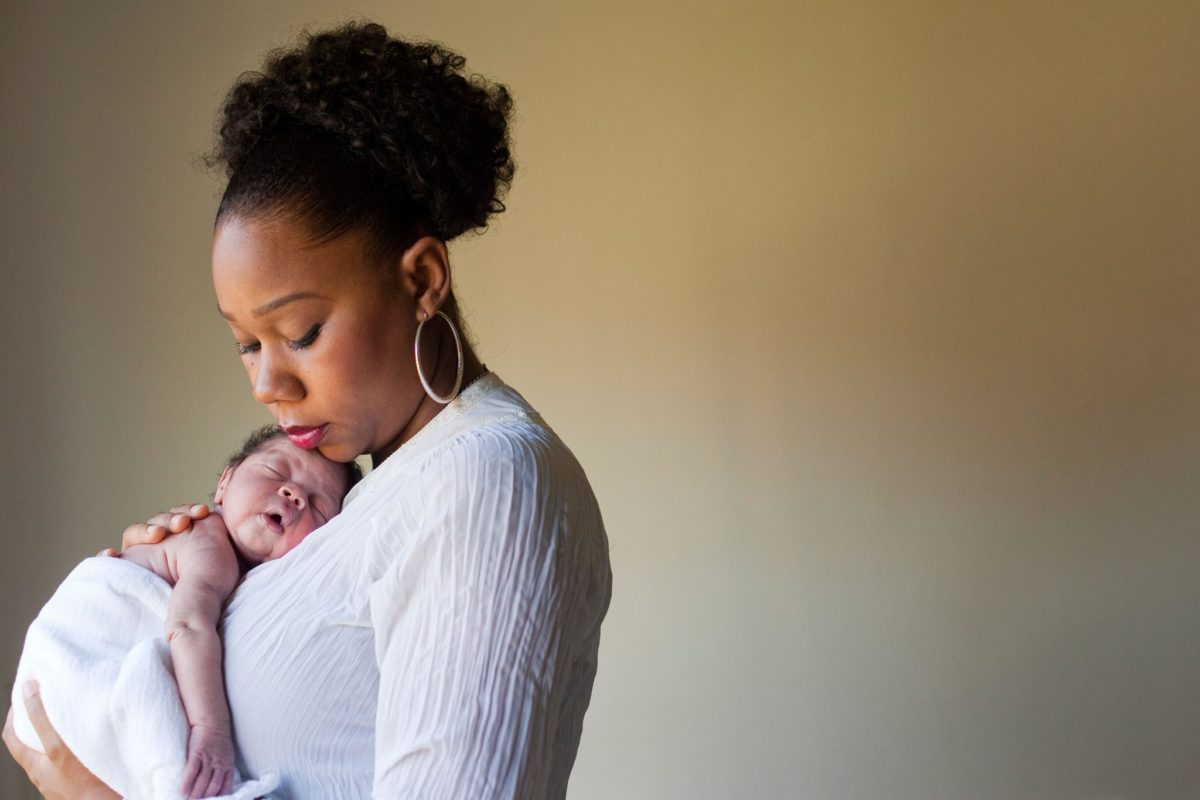
With Mother’s Day around the corner, here at 1,000 Days we’ve been thinking about what moms really need. At the top of our list:

  • Quality, affordable health care
  • Time to care for themselves and their babies
  • Good nutrition from healthy foods
  • Support from the community

We’d like to highlight one of these priorities – quality, affordable health care – and the key role that it plays for moms everywhere.

The Importance of Quality, Affordable Health Care

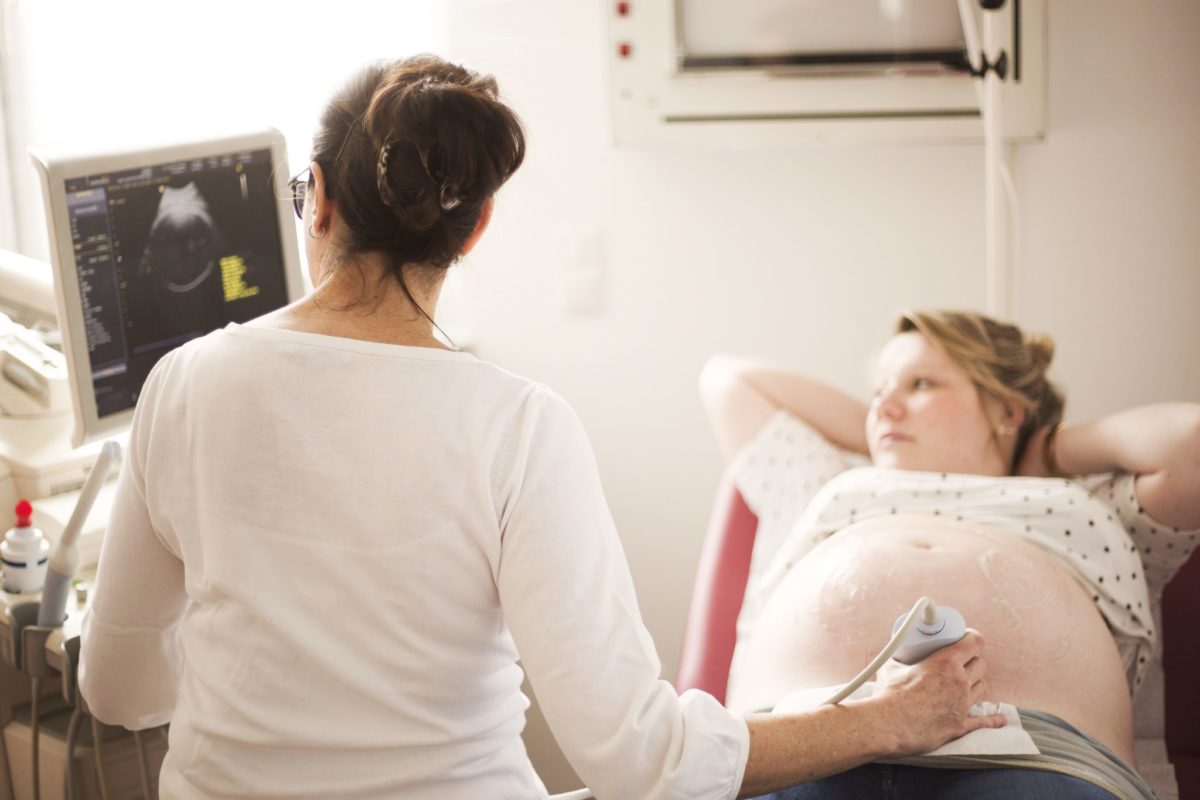
Comprehensive health care is foundational to a woman’s health and well-being before, during and after pregnancy. All women need access to prenatal care, skilled care during childbirth, and care and support in the weeks and months after childbirth. However, too many moms are not getting the care they need. About 6% of women in America receive late or no prenatal care, and as many as 40% of women do not attend a postpartum visit (with lower rates among women with limited resources). In low-income countries around the world, close to two-thirds of pregnant women miss out on the recommended prenatal care visits.

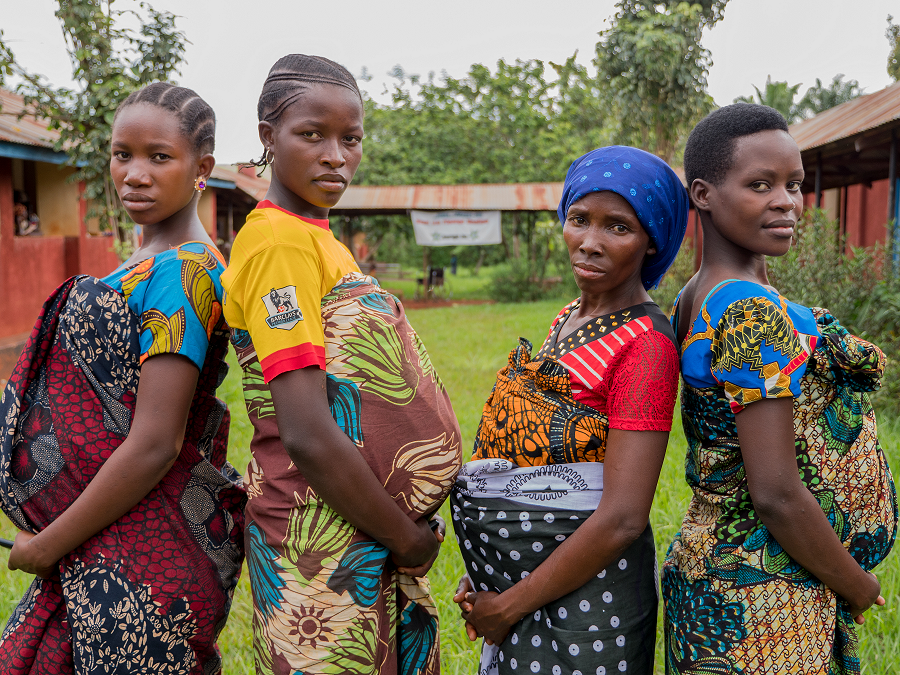
Gaps in access to care or poor quality of care can have tragic consequences. Across the globe, approximately 800 women die from preventable causes related to pregnancy and childbirth every day. In the United States, an estimated 700 women die from these causes each year, and some women are more likely to die than others. The disparities in maternal death are striking, with black women dying at more than 3 times the rate of white women.

The good news is that many maternal deaths can be prevented. Recent data from the Centers for Disease Control and Prevention (CDC) indicate that approximately 3 in 5 pregnancy-related deaths in America are preventable – no matter a woman’s race/ethnicity or whether the death occurs during pregnancy, delivery, or after birth.

Globally, there is a recognition that greater attention to maternal mortality is urgently needed – and nutrition must be part of that discussion. Of the 5 pregnancy complications that account for nearly 75% of all maternal deaths, 3 are related to nutrition (severe bleeding, pre-eclampsia, premature labor) and their risk can be mitigated with better nutrition. It’s critical to strengthen health systems and ensure they are providing women with high impact nutrition interventions before, during and after pregnancy, including multiple micronutrient supplements, diet and nutrition counseling, as well as breastfeeding counseling and support.

In the U.S. and around the globe, we need to do more to ensure that no mother’s life is cut short due to preventable causes.

Advancing a Vision for a Healthier First 1,000 Days

Here at 1,000 Days, we are fighting to make sure all moms get what they need to thrive. One critical part of this is working to increase investments in women’s preconception, prenatal, and postpartum health, with a focus on the most disadvantaged. We believe that every woman should have access to comprehensive health coverage and benefits – no matter who she is or where she lives.

On Mother’s Day and every day, all moms deserve a healthy first 1,000 days. Let’s honor all of the moms in our lives by giving them what they need: quality, affordable health care.
Preventing Surprise Medical Bills During the First 1,000 Days

Few issues can bring the White House, Congress and health care advocates together. But one issue is increasingly receiving strong, bipartisan support: tackling surprise medical bills. This is good news for moms, babies and their families.

What are surprise medical bills?

A surprise medical bill comes when a patient receives services from an out-of-network provider, often through no fault of their own.

Most health plans have a network of health care providers, and it’s cheaper for a patient to use in-network providers. If a patient choses an out-of-network provider, they are responsible for much higher out-of-pocket costs. Some patients will choose to use an out-of-network provider—for example, due to location or because the provider is preferred. When the patient makes the choice to use the out-of-network provider, they do so understanding that they will pay more.

But sometimes, a patient receives a service from an out-of-network provider without realizing it or without consenting. During a health care visit—particularly in a hospital-based setting—multiple health care providers may treat patients, and some of these providers might not be in-network. In this case, patients get treatment from an out-of-network provider through no fault of their own but are still responsible for the higher costs.

How can surprise medical bills affect families during the first 1,000 days?

Many families receive surprise medical bills after childbirth. For example, a woman may choose to deliver her baby at an in-network hospital with an in-network OB-GYN. During her delivery, an anesthesiologist, who is a critical part of the care team, may serve her. But, if the anesthesiologist is out-of-network, the woman will be responsible for the costs of those services.

Sadly, this is a common occurrence. A recent study found that 11% of mothers experienced a surprise out-of-network bill with their first delivery. Not only do those mothers face high and unexpected costs, but they are also more likely to switch from their preferred hospital after receiving a surprise bill.

Whether a patient unknowingly receives the services of an out-of-network anesthesiologist during childbirth or ends up in an out-of-network emergency room during a medical crisis, families shouldn’t have to bear the outrageous costs of out-of-network bills.

What is being done to solve the problem?

Part of a comprehensive solution is up-front transparency about what a patient will pay for the total cost of care. But that’s not enough. Patients should be held harmless from surprise bills and should never have to pay more than their normal in-network cost-sharing requirement for a service.

Many states have worked to address surprise medical bills, and some states have meaningful protections. But most states do not have comprehensive protections against surprise billing, and there is no national policy to protect consumers. This needs to change.

The President and Congressional Leaders have expressed an interest in passing legislation to address surprise medical bills. 1,000 Days urges policymakers to move quickly to ensure that during recovery from childbirth or other medical situations, no one receives a surprise medical bill.

My Time at 1,000 Days Exploring Maternal Health and Nutrition

My passion for maternal health and nutrition began when I volunteered as a local community nutritionist and maternal advocate with the United Nations Relief and Works Agency for Palestine Refugees in the Near East (UNRWA) program serving women in Palestinian refugee camps. It continued when I set up a clinic to address maternal nutrition, translating the science of nutrition into understandable information about food before, during, and after pregnancy. Today, I am serving as a Global Policy and Advocacy Program Associate Fellow with 1,000 Days.

In this role, I have had wide exposure to issues related to women’s health and nutrition and I found it both important and interesting to learn more about what is still of huge concern in the world of maternal health: maternal mortality. Maternal death can happen while a woman is pregnant, during labor and delivery, or in the 42 days after childbirth or the termination of pregnancy.

Who’s at risk?
Every day, approximately 830 women die from preventable causes related to pregnancy and childbirth with 99% of all maternal deaths occurring in developing countries. While it’s much safer to have a baby today than in the past, it’s still not safe for everyone. Not every woman has access to or can afford regular prenatal care, good nutrition and a skilled health practitioner at her delivery. At the same time, age, race, and the location where you deliver can unfairly determine your chance of survival. See the top 10 countries with the highest maternal mortality rates.

Why Do Women Die?
Poor nutrition before, during and after pregnancy can increase a woman’s risk for complications. Of the five pregnancy complications that account for nearly 75% of all maternal deaths, three are related to nutrition.

1. Severe bleeding (Mostly Postpartum Hemorrhage – PPH)
Every year about 14 million women around the world suffer from PPH. And is not only associated with nearly one quarter of all maternal deaths globally but is also the leading cause of maternal mortality in most low-income countries.

An anemic pregnant woman has a higher risk of experiencing PPH. During pregnancy, the risk of iron deficiency anemia increases as a woman’s body needs to provide nutrients for herself and her child. In fact, anemia still affects 40% of pregnant women worldwide. Interventions that increase iron uptake and stores such as oral iron pills, prenatal vitamins, and diet rich in iron and folic acid such as (leafy veggies, meat and poultry, eggs, etc.) reduce blood loss and infection, and address other micronutrient deficiencies could prevent at least half of all anemia cases.

2. High blood pressure during pregnancy (Pre-eclampsia and Eclampsia )
Eclampsia begins in the placenta, the organ that nourishes the fetus throughout pregnancy and can pose a serious health risk for a woman and her child. Early in pregnancy, new blood vessels develop and evolve to efficiently send blood to the baby through the placenta, but sometimes those blood vessels do not form properly and can cause serious health complications. While causes of eclampsia vary, inadequate diet can further increase a woman’s risk. In populations with low dietary calcium intake WHO recommends a daily calcium supplementation (1.5 g–2.0 g oral elemental calcium) for pregnant women to reduce the risk of pre-eclampsia.

3. Premature labor and Complications from delivery.
Premature labor also has varied causes, including an abnormally low blood volume. This can be prevented with a well-balanced diet rich in a variety of macro- and micronutrients and could significantly decrease premature labors. In addition, there are several promising interventions such as calcium supplementation in women with low calcium intake, iron, zinc, magnesium, and fish oil supplementation.

Key takeaways:
Linking global maternal mortality and nutrition is a clear yet missed opportunity in solving this issue. Advocates must continue to push for:

  • Scaling up high impact nutrition interventions, especially by reducing anemia and addressing calcium deficiencies. Integrating these nutrition-specific interventions into maternal and child health programs should be a priority.
  • A focus on girls and women at all stages of life. There is a need for a much more proactive approach that does not focus solely on women’s nutrition during pregnancy. Good health and nutrition throughout a woman’s life allows her to thrive – and is the key to a healthy pregnancy.
  • The need to extend and strengthen data collection and analysis for women’s nutrition. While more data is important, it is also important to better utilize and analyze existing nutrition data to further understand the relationship between malnutrition and pregnancy complications. Only by doing so we will be better positioned to respond to the needs and priorities of women and girls.
  • A holistic approach that focuses on the importance of delivering good quality care for all. Nutrition outcomes are also improved by integrating water, sanitation, and hygiene (WASH) and other nutrition-sensitive interventions.

As for you readers, you too can join the fight, by lending support to organizations like 1,000 Days that are working to enact lifesaving efforts for nutrition. Although my journey as a fellow with 1,000 Days is coming to an end, I know that a great journey based on the experience I gained here is still ahead of me! I feel privileged to have spent almost a year working with this awesome team of advocates that are fighting for every mom and baby around the world.

1,000 Days & Partners Submit Statement for UN Meeting on Universal Health Coverage

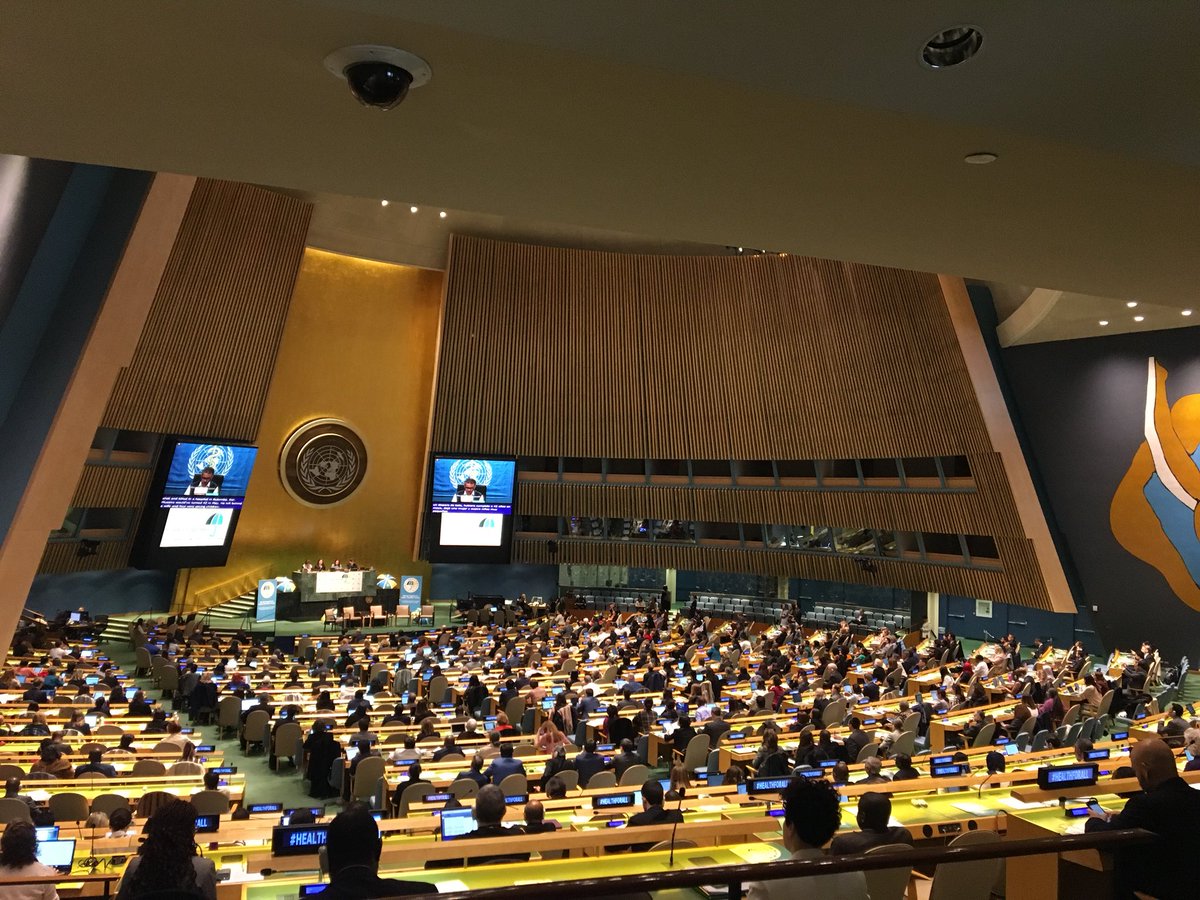
1,000 Days joined the International Coalition for Advocacy on Nutrition (ICAN) to submit the following statement to the Multi-stakeholder Hearing for the UN High-Level Meeting on Universal Health Coverage held on April 29, 2019. The statement was delivered by WaterAid on behalf of the coalition. This statement has since been updated and delivered at the 72nd World Health Assembly; 1,000 Days and partners have signed on to show support as we head towards the UN High-Level Meeting on Universal Health Coverage

Preventing and treating malnutrition, especially during the first 1000 days, is a critical pathway to realising UHC. Affecting every third person, malnutrition and related NCDs underlie almost half of all child deaths, and 71% of global deaths.

Malnutrition disproportionately affects the poorest and most vulnerable, aggravating the intergenerational cycle of ill-health and poverty. Essential nutrition services like breastfeeding and dietary counselling, hygiene promotion, wasting treatment, and, vitamin and micronutrient supplementation promote development, reduce NCDs, and increase immunity and resiliency to infection. Investing in these high-impact, low-cost interventions will support the achievement of UHC.

We urge Member States to prioritise nutrition in the HLM outcome document as a determinant of UHC and commit to:

  • Integrate nutrition interventions and health promotion in PHC, focusing on the poorest and most marginalised, especially women and girls;
  • Train and support community health workers to deliver key nutrition services;
  • Ensure essential medicines include health products to prevent and treat malnutrition;
  • Allocate greater financing for and ownership of nutrition by health decision makers, in collaboration with other stakeholders including WASH, education, agriculture and social protection.

What We’re Watching: Health Care Edition

1,000 Days believes that every mom, child and family in America deserves a healthy first 1,000 days. We support guaranteed access to high-quality, affordable health insurance that offers comprehensive benefits for preconception and prenatal care, maternity services, breastfeeding and postpartum care, pediatric care and other critical maternal, infant and young child health services. In addition, we reject all efforts that would make it more difficult for families to access comprehensive health insurance, result in increased numbers of uninsured people, or put needed services out of reach. This would roll back the progress we’ve made — and would result in worse health outcomes for moms and children.

With health care in the news a lot these days, we want to provide an update on what’s been accomplished to date, what’s really on the horizon — and what’s at risk.

The Affordable Care Act Matters to Moms and Babies

Just over 9 years ago, the Affordable Care Act (ACA) became law, making it easier for moms and young children to access high-quality and affordable health insurance. Today, more American families have health insurance, whether through their employer, the Health Insurance Marketplace or Medicaid. Additionally, their insurance is required to include essential health benefits — services that support the health of women and young children.

As a result of the ACA, just being a woman is no longer a reason for insurers to charge more for equal coverage. Maternity and newborn care, hospitalization, mental health services and recommended preventative services are all considered essential health benefits, meaning these services must be included in all new insurance plans. And women can no longer be denied coverage for pre-existing conditions such as a previous pregnancy, C-section, diabetes or cancer. These positive changes to our health insurance system have meant more moms, children and families have the health security they deserve.

Threats on the Horizon

Despite these gains, a series of legal challenges threatens the ACA’s future — and possibly the health coverage many families need. Most notably, a lawsuit has been filed that would overturn the entire ACA. While this lawsuit has a long legal fight ahead of it, it made news again recently because the Trump Administration stated its agreement that the entire ACA should be deemed unconstitutional and struck down. These attacks on the ACA put comprehensive coverage at risk for many families.

In separate legal action, courts will be examining expanded access to plans that offer limited benefits packages. Earlier this year, a court ruled against the Administration’s “association health plans” (AHPs). AHPs are not required to offer comprehensive benefits and are allowed to charge more for certain needed services. Another long legal battle will determine the fate of these limited-benefit plans.

If the ACA goes away or if limited-benefit plans are allowed to proliferate, here’s what’s at risk:

Comprehensive maternity, newborn and pediatric care could be put out of reach.

Health insurance plans would be able to pick-and-choose what benefits they offer. Essentially, this could mean a return to a pre-ACA health system when 75% of plans on the individual market did not include maternity coverage. Women would be left to choose between going without needed health services or paying out-of-pocket. That’s a decision no woman should be forced to make.

Women could pay more for less health coverage.

We’d be stepping back in time, before the passage of the ACA, when women could be charged more for their health insurance just because they are women.

Pregnancy could become a pre-existing condition (again).

If the ACA goes away or consumer protections are eliminated, insurers would be able to decide what is – and is not – a pre-existing condition, and then charge more accordingly. Just like before the passage of the ACA, women could be denied coverage (or charged a lot more) for health insurance just for having given birth or being of child-bearing age.

Because we know that comprehensive, affordable coverage is critical for the health and well-being of women and young children, 1,000 Days will continue to advocate for policies that strengthen our health care system and help ensure more families can access the care they need. We will work with bipartisan Congressional champions to make sure that all efforts take into consideration the unique needs of the first 1,000 days so that we can maintain access to the services women, children and their families need.

Paid Leave Gains Momentum

This year we’ve seen real momentum around a critical issue for working families in the United States: access to paid leave. At 1,000 Days, we are thrilled to see our nation’s leaders giving this important issue the attention it deserves. We believe that no parent should have to choose between taking time to care for and bond with their child and earning the income they need to support their family. And all women should be able to take the time they need to care for themselves during pregnancy and after childbirth.

Unfortunately, this is not the reality for many parents in the U.S. Only a small fraction of workers have access to paid leave – and those workers who do are typically in higher paying jobs. As a result, nearly 1 in 4 women in the U.S. returns to work within just 2 weeks after giving birth.

Access to comprehensive paid leave would help working parents give their children the strongest start to life. Research shows that paid leave contributes to healthier outcomes for moms, babies and their families. From helping to reduce the risk of infant death and illness, to helping women breastfeed more successfully and for longer periods of time, to promoting healthy cognitive, social and emotional development in children, the benefits of paid leave are numerous and far-reaching. Without access to paid leave, moms’ and babies’ health and well-being are put at risk.

Our Vision for Paid Leave

With grassroots support building around the country for a national paid leave program, it is important to remember that details matter. Not all paid leave policies would enable parents and their children to have the healthiest first 1,000 days and all the days that follow.

1,000 Days calls for a comprehensive paid family and medical leave program that covers all workers. To best support families during the first 1,000 days, the program must:
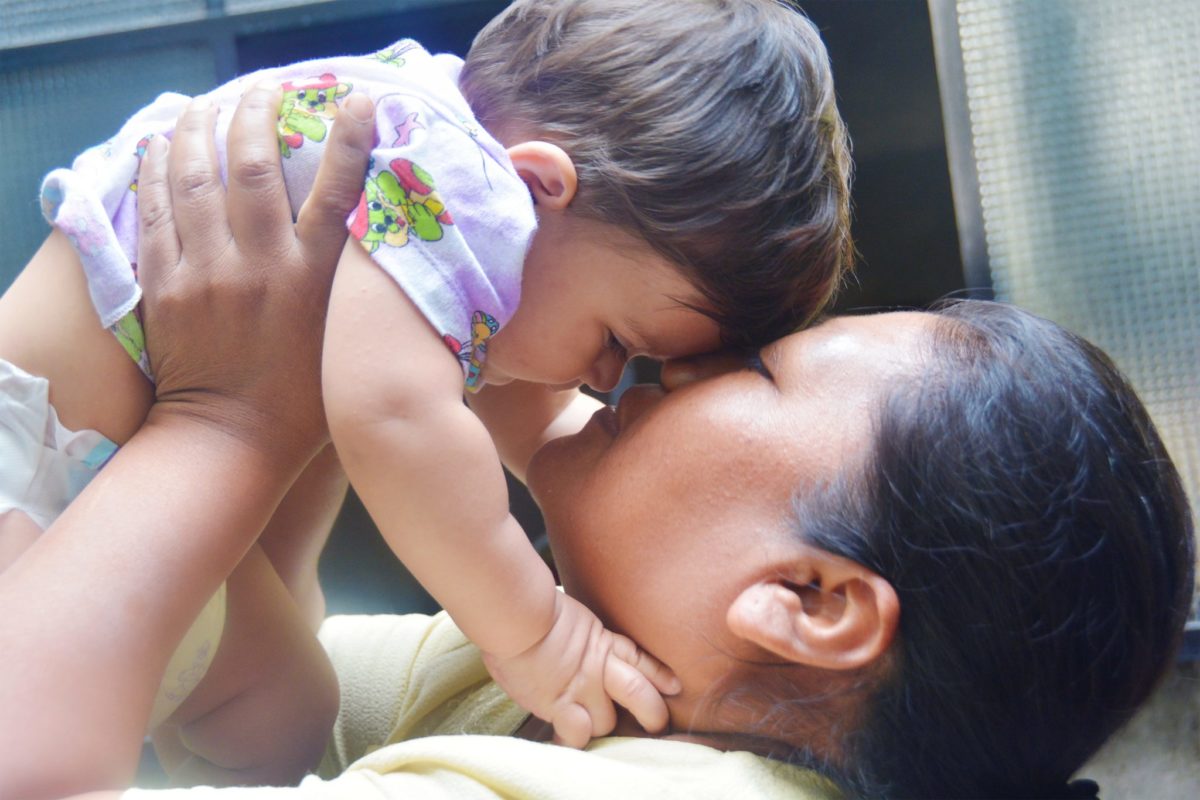
  1. Provide sufficient time off. At a minimum, 12 weeks of paid leave should be provided to working parents upon the birth or adoption of a child. 1,000 Days supports efforts to increase paid leave up to 24 weeks annually, which is especially critical to supporting women to breastfeed exclusively for six months, as recommended by the American Academy of Pediatrics, the American Congress of Obstetricians and Gynecologists and the World Health Organization.
  2. Cover all employers and all employees. Paid leave must be available to all workers, regardless of the size of their employer, the sector they work in, the length of their employment or whether they work full-time, part-time or are self-employed. Leave must be available to both women and men, regardless of marital status, and policies must be designed in a way to prevent unequal treatment in the workplace and hiring discrimination based on age, gender, sexual orientation and other criteria.
  3. Ensure economic security now and in the future. Employees’ wages and benefits must be maintained so that workers are not forced to decide between their caregiving obligations and their jobs. Employees must also retain the right to resume full paid employment after taking leave. Additionally, policies must ensure that taking leave now does not threaten employees’ future retirement security.
  4. Cover medical and family caregiving needs. Any plan should be available for the full range of personal medical and family caregiving needs, such as those established by the Family and Medical Leave Act.

The FAMILY Act (S.463/H.R.1185) introduced by Senator Gillibrand (D-NY) and Representative DeLauro (D-CT) is the only bill in Congress right now that meets all of these criteria.

As conversations continue around our country’s vision for paid leave, let’s keep the needs of moms and babies top of mind and work to pass a strong paid leave policy that works for ALL families.

#March4Nutrition: Envision better support for the most vulnerable babies, toddlers and families

This National Nutrition Month, 1,000 Days is imagining a world in which all moms and babies are healthy, nourished and thriving through our annual #March4Nutrition campaign.

All month long we have been featuring the issues affecting mothers and their children, the work of 1,000 Days and our partners to ensure moms and babies are healthy and thriving, and how you can get involved!

This week we’re envisioning better programs that help the most vulnerable babies, toddlers and families get the food, nutrition and support they need to thrive.

Programs and policies that prioritize the health and nutrition of moms and babies can significantly improve health outcomes for young children and their families. These societal investments can positively impact the nutritional health of women, infants, toddlers and families by improving access to healthy foods, increasing a family’s economic security, and improving access to health services.

Providing moms and babies with the right supports – from the start – sets them up for success for the rest of their lives. But that requires expanding and strengthening programs and policies that help the most vulnerable with food and nutrition in the U.S. and around the world.

The Current Situation

Throughout the world, millions of young children and their mothers are struggling to get the nutrition, health care and support they need to thrive. Globally, an estimated 151 million children under age five are developmentally stunted as a result of chronic malnutrition in the first 1,000 days. Importantly, the data shows that 20-30% of childhood stunting begins before a baby is even born, highlighting the need to focus on maternal nutrition before and during pregnancy to stop the cycle of malnutrition.

This global crisis requires action and investment in the nutrition and well-being of women and children in the first 1,000 days, with a focus on the most disadvantaged.

In the U.S., poverty is a key driver of malnutrition as poor families struggle to access nutritious food and health services. A staggering 1 in 6 children in the U.S. under age 6 live in families that struggle to put enough nutritious food on the table every day. These children are less likely to get a thriving start to life because persistent food insecurity and poor nutrition put young children at risk of developmental delays and cognitive deficits.

Federal nutrition programs like the Special Supplemental Nutrition Program for Women, Infants and Children (WIC) and the Supplemental Nutrition Assistance Program (SNAP) play a critical role in supporting the health and nutrition of young children and their families. Half of all babies in the U.S. are born into families participating in WIC, meaning their families receive supplemental nutritious foods, health care referrals, nutrition education, and breastfeeding support. WIC is a proven effective program that improves birth outcomes, access to healthy food and a child’s development.

The Opportunity

We envision a world where ALL babies, toddlers and families can access the food, nutrition and support they need to nourish themselves and the next generation.

Globally, 1,000 Days is helping to reduce the number of children who are affected by the devastating effects of malnutrition by advocating for proven, cost-effective nutrition programs. In 2018, Congress extended the Global Food Security Act (GFSA) for another 5 years through 2023. This legislation is an important step forward in recognizing that the nutritional status of women and children, especially during the critical 1,000-day window, is essential. 1,000 Days played a key role in advocating for the nutrition provisions in the legislation and continues to work to strengthen and expand global nutrition programs.

In the U.S., 1,000 Days educates policymakers on the critical importance of WIC, seeking to ensure ALL eligible women and children can participate in the program. 1,000 Days also championed the passing of a bipartisan Farm Bill that protects the Supplemental Nutrition Assistance Program (SNAP). This means better access to nutritious foods for millions of families with young children.

In a world where all babies, toddlers and families have the support and nutrition they need, moms and their children will be nourished and healthy in their first 1,000 days and beyond.

#March4Nutrition: Envision better diets for babies and toddlers

This National Nutrition Month, 1,000 Days is imagining a world in which all moms and babies are healthy, nourished and thriving through our annual #March4Nutrition campaign.

All month long, we invite you to follow #March4Nutrition on Facebook and Twitter to learn about the issues affecting mothers and their children, the work of 1,000 Days and our partners to ensure moms and babies are healthy and thriving, and how you can get involved!

This week we’re envisioning better diets for babies and toddlers.

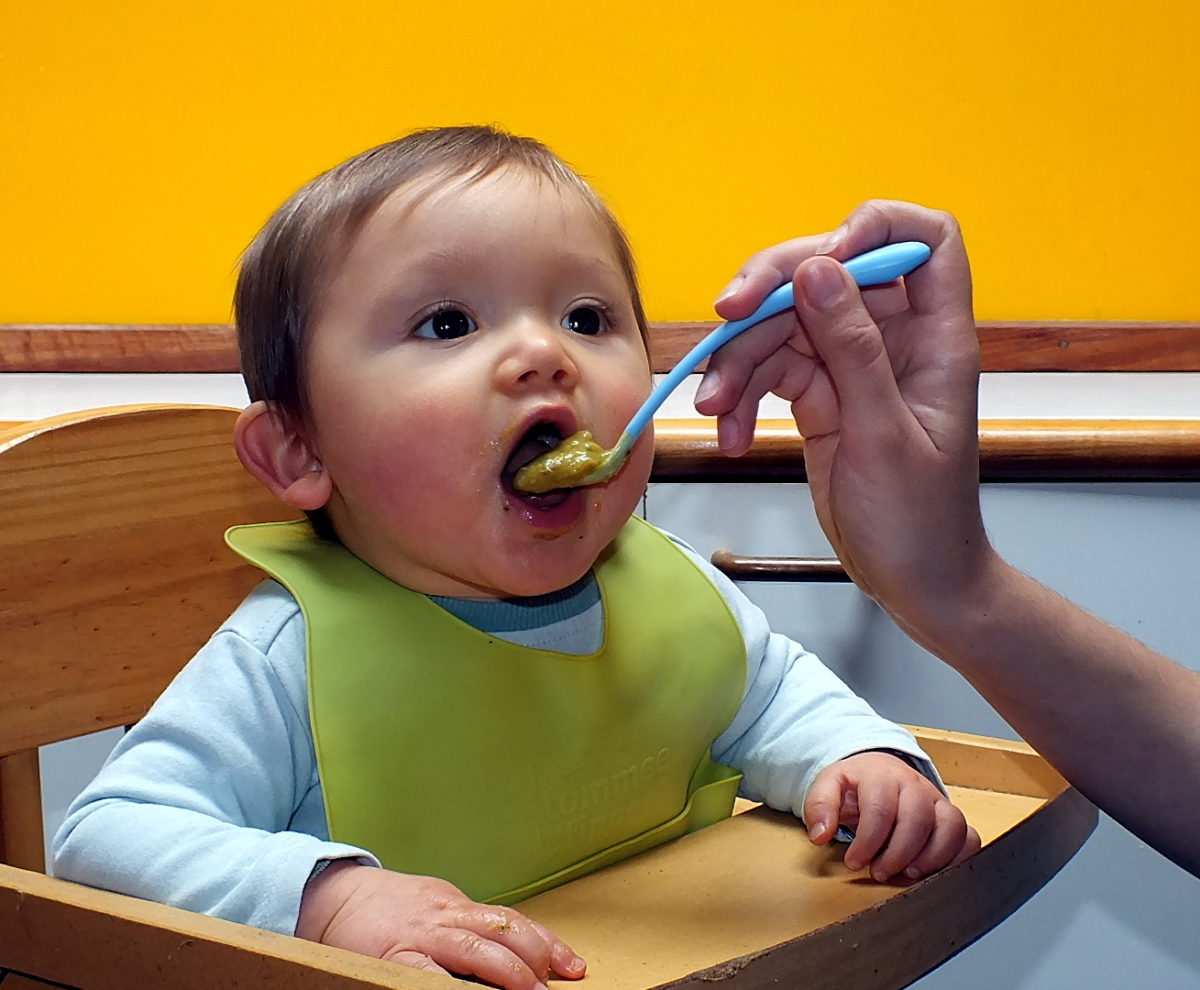
Food preferences and eating habits start forming in the first 1,000 days. In fact, during the first trimester of pregnancy, a baby’s sense of smell and taste begin to develop, which means all of the early “tasting” a baby does in utero can influence the kinds of food he will like later in life. Then, once a baby is born, breastfeeding provides him with the perfect nutrition to support brain development, healthy growth and a strong immune system. At 6 months of age, a baby starts to need more than just breastmilk or formula to support his rapid growth and development, so it is essential that he begins to be introduced to nutrient-rich whole foods like vegetables, fruits and proteins. And by the time a baby transitions to toddlerhood, he is encouraged to eat healthy meals to continue to fuel a strong body and smart brain.

Just as important as what babies and toddlers eat is what they should not eat – like foods and drinks with too much sugar or sodium. Unhealthy eating is a serious concern, as it is contributing to a dramatic rise in the levels of obesity in toddlers and young children. Young children who are overweight or obese are much more likely to be obese as adults and are at increased risk for serious health problems in adulthood, including heart disease and type 2 diabetes.

Supporting healthy weight gain, teaching good eating habits and encouraging responsive feeding practices for babies and toddlers can help build a foundation for a thriving future.

The Current Situation

Unfortunately, too many kids grow up without the essential nutrients they need to thrive. Globally, poor diet is responsible for more ill health than any other cause and is the second-leading risk factor for death. In addition, only 51% of children aged 6-23 months meet the minimum meal frequency, and a mere 25% meet the minimum dietary diversity, with large disparities on these rates around the world. Meanwhile, as unhealthy diets and feeding practices become pervasive, obesity is increasingly affecting young children.

Here in the U.S., the situation is similarly concerning. The diets of U.S. infants and toddlers now mirror the adult American diet, with too few fruits, vegetables and other nutrient-rich foods and too many added sugars and saturated fats. More than a quarter of young children from 6 months to 4 years do not eat a single serving of vegetables on a given day. Among those toddlers who do eat vegetables, french fries are most commonly consumed. Meanwhile, over half of toddlers and preschoolers have one or more sugar-sweetened beverages per day.

Furthermore, parents and caregivers often make eating and feeding decisions with very little guidance and use conflicting information. According to a nationally representative online survey conducted by 1,000 Days and Harris Poll, more than half of the mothers surveyed said they received mixed messages about what to feed their young children. Mothers and other caregivers struggle to reconcile contradictory information on infant and young child feeding from a wide array of sources ranging from health providers to parenting sites and other moms on social media.

The Opportunity

We envision a world where ALL parents can access the information and the nutritious foods they need to give their kids a healthy start.

1,000 Days is taking several important steps to ensure babies and toddlers everywhere have healthy diets. As an immediate solution, we are partnering with experts – including the CDC – to translate evidence-based nutrition information into practical resources for parents. We answer parents’ top questions about what, when, and how to feed infants and toddlers in a series of bite-sized videos. Watch them here!

We are also tracking the development of the first-ever dietary recommendations for pregnant women, infants and toddlers in the next Dietary Guidelines for Americans. The new guidance will provide parents and caregivers with the evidence-based information they need to give their children the best chance to lead healthy, prosperous lives that are free of preventable chronic disease. The recommendations will also inform federal nutrition programs that reach young children and their families, as well as serve as an important reference point for physicians, nutrition counselors, and early childcare providers.

In a world where all babies and toddlers have healthy diets, children will be set up for a healthy, thriving future. This is the world we want.

#March4Nutrition: Envision better support for women to reach their breastfeeding goals

In honor of National Nutrition Month, 1,000 Days kicked off its annual #March4Nutrition campaign last week to imagine a world in which all moms and babies are healthy, nourished and thriving. All month long, we invite you to follow #March4Nutrition on Facebook and Twitter and learn about the issues affecting mothers and their children, the …

This National Nutrition Month envision better for moms and babies around the world

In honor of National Nutrition Month, 1,000 Days is kicking off its annual #March4Nutrition campaign to amplify the importance of improving health systems, policies and programs that support mothers and children to be healthy and nourished. During the next four weeks, we invite you to follow #March4Nutrition on Facebook and Twitter and learn about the …